

Key Takeaways:
- Understanding key packaging film trends is vital for brand competitiveness.
- Innovative materials and technologies are essential for sustainability and consumer engagement.
- Brands must adapt to regulatory pressures and evolving consumer needs.
Table of Contents
- Overview of Current Packaging Film Trends
- Emerging Packaging Materials
- Innovative Packaging Materials
- Conclusion
- Call to Action
Overview of Current Packaging Film Trends
Packaging trends involve the dynamic transformation of materials, designs, and technologies focused on sustainability and consumer engagement. Major factors driving these shifts include increased consumer scrutiny, regulatory pressures like Extended Producer Responsibility (EPR), and the need for transparency in packaging processes.
Key Current Trends in Packaging Fim:
- Mandatory Circular Economy Approaches
- Eco-friendly practices have transitioned from optional to essential. Brands must now adopt circular economy strategies, responding to consumer demand for accountability regarding product life cycles.
- Smart Packaging Technologies
- The rise of smart packaging, enabled by technologies like NFC tags and QR codes, allows for enhanced product transparency and consumer engagement. This approach not only informs consumers but also gathers valuable data to improve marketing strategies What is Smart Packaging and How Does it Benefit the Flexible Film Industry?).
- Consumer Experience and Branding
- Innovative packaging designs play a significant role in shaping consumer experience and branding. Features such as resealability and aesthetics tailored for social media sharing enhance brand visibility and product usability (Stand-Up Pouches: 101).
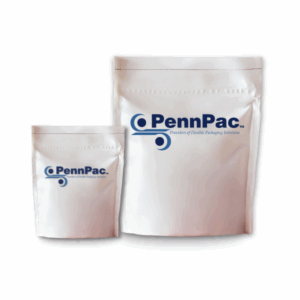
- Innovative packaging designs play a significant role in shaping consumer experience and branding. Features such as resealability and aesthetics tailored for social media sharing enhance brand visibility and product usability (Stand-Up Pouches: 101).
Emerging Packaging Film Materials
Emerging packaging materials are at the forefront of innovations that prioritize sustainability and regulatory compliance. The shift towards these materials is a response to the growing demand for verifiable sustainability and the evolving standards set for 2026.
Notable Emerging Materials:
- Mono-materials
- These single-polymer materials simplify the recycling process, making them far more effective than complex, multi-layer laminates. They often come enhanced with barrier coatings for improved performance.
- Bio-based Materials and Compostable Options
- Materials derived from renewable resources that meet environmental standards are gaining traction. These options align with sustainability goals and comply with regulations, gaining favor among eco-conscious consumers (Food Safety in Flexible Packaging Films).
- Recycled Content
- Including recycled materials in packaging not only addresses affordability but also aligns with policy shifts emphasizing sustainable practices (Post-Industrial Recycling (PIR) vs. Post-Consumer Recycling (PCR) – Here’s the Difference).
Environmental Impact
By utilizing these emerging packaging materials, brands can significantly reduce their environmental impact. Transparent sustainability claims foster consumer trust and promote a positive brand image.
Innovative Packaging Materials
Innovative packaging materials combine technology and design to enhance functionality and consumer engagement. The industry is moving beyond traditional approaches to integrate smarter solutions that appeal to modern consumers.
Characteristics and Benefits of Innovative Materials:
- Smart Packaging
- Incorporating technologies such as NFC, RFID, and dynamic QR codes, smart packaging provides real-time information and authenticity verification. This trend enhances consumer engagement and ensures supply chain transparency (Understanding Transmission Rates in Food Packaging Films).
- Rightsized Packaging
- Employing AI-driven solutions, rightsized packaging optimizes shipping efficiency by generating custom-fit boxes for products, reducing waste caused by excess packaging materials.

- Employing AI-driven solutions, rightsized packaging optimizes shipping efficiency by generating custom-fit boxes for products, reducing waste caused by excess packaging materials.
- Breathable Films and Shock-Resistant Designs
- These innovative materials help maintain freshness for perishable goods. Such designs are increasingly popular in the food sector, particularly for high-protein snacks (Flexible Packaging Films for Food & Beverage).
Brand Examples
Brands in various sectors, particularly food Consumer Packaged Goods (CPG), leverage these innovative materials to inform data-driven decisions and comply with regulatory needs. Clear labeling ensures consumers stay informed about their purchases and nutritional content.
Conclusion
In summary, the key points highlighted throughout this blog emphasize the critical role of sustainability in packaging practices, the necessity for innovations like smart technologies to enhance consumer engagement, and the ongoing need for brands to adapt to regulatory changes and market dynamics.
Understanding these packaging trends is essential for companies aiming to succeed in a competitive environment. By prioritizing sustainability, staying abreast of innovative materials, and responding to consumer expectations, brands can better position themselves in the marketplace.
Call to Action
We invite you to share your thoughts on the trends discussed in this blog post. How do you see smart packaging influencing the future? Your input is valuable as we collectively navigate these exciting changes in the packaging industry.