
Estimated Reading Time: 7 minutes
Key Takeaways
- Tolling services allow businesses to reduce capital investment while ensuring precision slitting.
- Contract slitting services provide long-term stability and tailored solutions for peak volume needs.
- The choice between toll and contract slitting depends on specific operational requirements and growth strategies.
Table of Contents
- Understanding Toll Slitting Services
- What Are Contract Slitting Services?
- Slitting Service Comparison
- Outsourcing Roll Slitting
- Making the Choice: Toll Slitting vs. Contract Slitting
- Conclusion
- Call to Action
Understanding Toll Slitting Services
What Are Toll Slitting Services?
Toll slitting services refer to a process in which a company, equipped with specialized machinery, slits wide rolls of materials into narrower rolls for a fee. This model allows businesses to avoid substantial capital investment in permanent machinery, while enjoying precision cutting capabilities.
- Machinery involved includes:
- Shear cutting: Uses rotary blades to slice material.
- Razor in air cutting: Utilizes ultra-sharp coated blades for clean cuts.
- Grooved roller cutting: Employs rollers with grooves to achieve specific slitting patterns.

Materials processed range from widths, typically calibrated to within 1/16th of an inch. Common applications for these services can be found across various industries, including:
- Metalworking
- Chemicals
- Pharmaceuticals
Typical turnaround times for toll slitting are generally between 7 to 10 business days, ensuring timely delivery of customized materials. This efficiency makes toll slitting services a favorable option for many businesses needing quick and precise solutions.
Benefits of Choosing Toll Slitting Services
- Cost Efficiency: There’s no need for capital investment in machinery, which significantly reduces overhead expenses.
- Flexibility: Companies can opt for just-in-time delivery without the commitment to maintaining large inventories.
- Access to Expertise: Specialized knowledge in precise cutting specifications ensures high product quality.
- Lower Maintenance Costs: By outsourcing slitting, businesses reduce the need for equipment upkeep and machine operators.
For a detailed understanding of various slitting services and their benefits, visit our article on contract slitting services.
What Are Contract Slitting Services?
Definition and Overview
Contract slitting services involve a formal agreement between a business and a slitting provider, often entailing long-term commitments and specific quantity agreements. Under this model, clients might receive dedicated resources tailored to their specific needs, resulting in customized cutting services and predictable pricing structures.
Benefits of Contract Slitting Services
- Stability: Long-term partnerships can stabilize pricing and delivery schedules, which is advantageous for budgeting and planning.
- Custom Solutions: Providers typically offer tailored services based on the unique requirements of the client.
- Consistent Volume Agreements: This model makes it easier to ensure that client needs are consistently met with available resources.
Understanding the potential of contract slitting services enables businesses to strategize their operational approaches effectively. Both toll slitting services and contract slitting services can be beneficial, depending on a company’s specific demands and growth plans.
Slitting Service Comparison
Toll Slitting vs. Contract Slitting
To better understand how these two slitting service options differ, here’s a comparison table that highlights several key factors:
| Factor | Toll Slitting Services | Contract Slitting Services |
|---|---|---|
| Cost Implications | Fixed fees per project based on requirements | May offer volume discounts for long-term contracts |
| Flexibility and Scalability | Allows for smaller, flexible orders | Typically requires higher minimum order volumes |
| Lead Times and Turnaround | Fast turnaround times (7-10 days) | Longer lead times could occur based on commitments |
| Quality Control Measures | Strong oversight for immediate orders | Quality assurance aligned with contractual agreements |
| Minimum Order Quantities | Generally caters to smaller shipments | Often requires higher minimums to secure contract terms |
| Long-term vs Short-term Focus | Short-term projects, ideal for evolving needs | Long-term partnerships for predictable operations |
This slitting service comparison indicates that businesses must evaluate the implications of each option to determine which model aligns best with their operational strategies.
Outsourcing Roll Slitting
The Concept of Outsourcing Roll Slitting
Outsourcing roll slitting involves partnering with a third-party provider to handle the slitting process rather than investing in expensive equipment and hiring specialized personnel. Many businesses opt for this route for several compelling reasons:
- Access to Specialized Expertise: Outsourcing eliminates the learning curve and provides immediate access to knowledgeable staff who can handle complex cutting specifications. Consider the insights shared in our overview of slitting services.
- Cost Savings: Without needing to purchase or maintain slitting machinery, businesses can operate more cost-effectively.
- Focus on Core Business: Companies can concentrate on their primary offerings rather than managing manufacturing processes that may not be part of their core competencies.
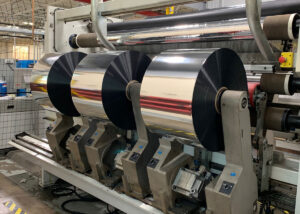
Both toll and contract slitting options fit into an outsourcing strategy, allowing businesses to optimize their operations while focusing on core competencies.
Making the Choice: Toll Slitting vs. Contract Slitting
Evaluating Your Needs
When deciding between toll slitting services and contract slitting services, businesses should consider several key questions:
- What are your volume requirements? Determine how much product you’ll need to make optimal use of the services.
- How frequently do you need slitting services? Identify if you require regular services or one-off projects.
- What is your budget? Analyze if upfront costs or long-term agreements fit better with your financial planning.
Real-world Scenarios
For example, a small startup in the chemical industry might benefit more from toll slitting services due to fluctuating demand and tight budgets. Conversely, a large pharmaceutical company might opt for contract slitting services to ensure steady supply and long-term pricing stability for high-volume production.
Such scenarios highlight how each service suits different business needs, reinforcing the need for a thoughtful evaluation process.
Conclusion
In summary, both toll slitting services and contract slitting services offer significant advantages, tailored to unique operational needs.
- Toll slitting services provide flexibility and cost-effectiveness, making them ideal for short-term projects or businesses with variable demands.
- Contract slitting services promote stability and long-term partnerships, better suited for companies that require consistent volume and tailored solutions.
Ultimately, the choice between toll and contract slitting services depends on a business’s specific requirements and growth strategies. Business leaders should closely assess their needs to make the best decision for their operational success.
Call to Action
If you’re considering slitting services or need personalized advice on which option is right for your business, please reach out! Our team is here to help guide you toward tailored slitting solutions that align with your operational goals. For more resources and guides on slitting services, feel free to explore our additional materials as you evaluate your options.
Remember, understanding the nuances of toll slitting services and contract slitting services is critical for ensuring the success of your business! Check out our insights on package trends to stay ahead in the industry.
FAQ
What are the primary differences between toll and contract slitting?
How do I determine if I need toll slitting or contract slitting?
What materials can be processed using toll slitting services?
What are typical turnaround times for slitting services?
Are there minimum order quantities for toll and contract slitting?